
Patient Resources
Get Healthy!
Scientists Find Key to Making Rare But Healthier Sugar
- January 14, 2026
- I. Edwards HealthDay Reporter
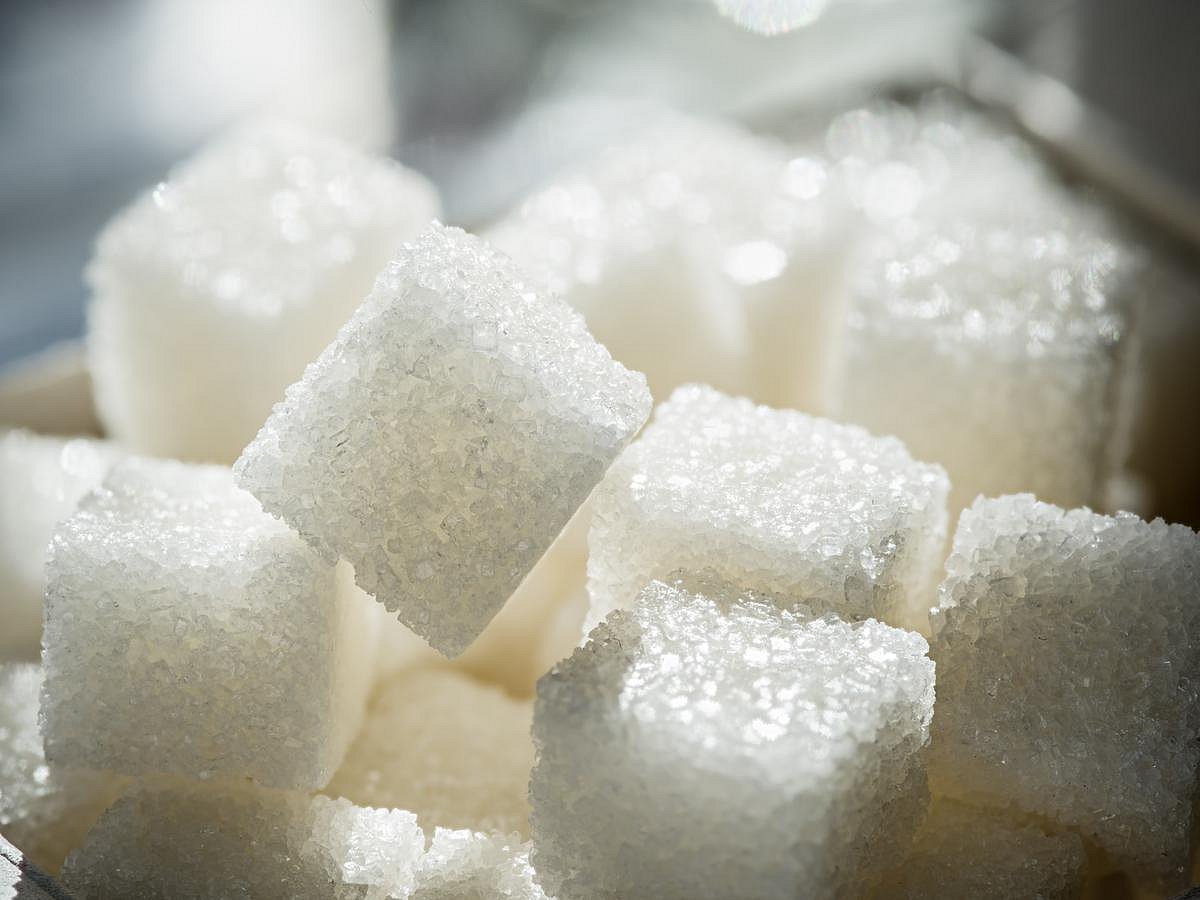
Sweet without the regret has long been the goal of sugar substitutes, and they rarely live up to the promise.
But researchers now say they’ve found a rare sugar that comes closer than most, thanks to a new, cheaper way to make it.
A new study from Tufts University outlines a new way to make tagatose, a rare sugar that tastes similar to table sugar but has fewer calories and less impact on blood sugar.
Tagatose is a naturally occurring sugar that shows up in very small amounts in foods like milk and certain fruits. Because it’s so rare, it has been difficult and costly to make in large amounts.
It is about 92% as sweet as table sugar, but it has around 60% fewer calories. Studies have shown it only causes small increases in blood sugar and insulin, making it potentially suitable for people with diabetes.
It is already classified by the U.S. Food and Drug Administration (FDA) as “generally recognized as safe,” meaning it can be used in food products.
In the new study, published recently in the journal Cell Reports Physical Science, researchers developed a new process that uses engineered bacteria to turn common glucose into tagatose.
“There are established processes to produce tagatose, but they are inefficient and expensive,” Nik Nair, an associate professor of chemical and biological engineering at Tufts, said in a news release.
The team used enzymes, including one discovered in slime mold, to help the bacteria complete the conversion. This new method produced tagatose with up to a 95% yield, much higher than existing methods, which reach 40% to 77%, researchers said.
“The key innovation in the biosynthesis of tagatose was in finding the slime mold Gal1P enzyme and splicing it into our production bacteria,” Nair explained. “That allowed us to reverse a natural biological pathway that metabolizes galactose to glucose and instead generate galactose from glucose supplied as a feedstock. Tagatose and potentially other rare sugars can be synthesized from that point.”
Unlike many sugar substitutes, tagatose works as a “bulk sweetener.” That means it can replace sugar not only for sweetness, but also for texture in cooking and baking. It even browns like sugar when heated.
Tagatose also appears to limit the growth of some bacteria that cause tooth decay and may help support healthy gut bacteria.
Because it behaves more like sugar than most alternatives, researchers say it could be useful in foods where artificial sweeteners fall short.
More information
ScienceDirect has more on tagatose.
SOURCE: Tufts University, news release, Jan. 12, 2026
